
Incorporating eco-friendly choices into home design is about selecting materials, systems, and layouts that reduce environmental impact while enhancing efficiency. Using sustainable materials, optimizing natural light, and integrating energy-efficient appliances are key steps to making a home environmentally responsible.
Designers and homeowners can focus on durable, non-toxic materials like bamboo and recycled wood, combined with insulation and windows that lower energy use. Simple adjustments like these not only support sustainability but can also reduce utility costs.
Energy-saving lighting, water-efficient fixtures, and smart technology help further minimize resource consumption. Thoughtful planning in these areas creates homes that are both comfortable and kind to the planet.
Integrating Eco-Friendly Principles Into Home Design
Eco-friendly home design involves deliberate choices that enhance sustainability while maintaining practicality. It requires balancing environmental impact, durability, and functionality to create spaces that serve both occupants and the planet efficiently.
Fundamentals of Sustainable Design
Sustainable design focuses on optimizing resources throughout a building’s lifespan. This begins with selecting materials that are renewable, recyclable, or have low embodied energy, such as bamboo, reclaimed wood, or recycled metal.
Lighting and ventilation should use natural sources whenever possible to reduce energy consumption. Incorporating passive solar design helps regulate indoor temperatures by utilizing sunlight and shade effectively.
Water efficiency is critical. Installing low-flow fixtures and rainwater harvesting systems reduces consumption and supports conservation efforts. Sustainable landscaping with native plants can decrease irrigation needs and support local ecosystems.
Reducing Environmental Impact and Carbon Footprint
Design strategies that minimize environmental impact focus on energy efficiency and waste reduction. High-performance insulation and energy-efficient windows limit heat transfer, reducing the need for heating and cooling.
Renewable energy sources, like solar panels, lower reliance on fossil fuels and cut operational carbon emissions. Incorporating energy-efficient appliances further reduces power demand.
Waste management during construction is essential. Using prefabricated components or salvaged materials minimizes landfill contributions. Smart design also minimizes material use without sacrificing quality or safety.
Prioritizing Durability and Functionality
Durability extends the life of building materials and reduces replacement frequency, lowering resource consumption over time. Choosing materials resistant to weather, wear, and pests is essential.
Functionality ensures the design meets occupants’ needs without unnecessary complexity. Flexible layouts that adapt to changing requirements prevent costly renovations and reduce material waste.
Design elements like easy-to-maintain surfaces and energy-efficient systems support long-term usability. Prioritizing durability and functionality creates eco-friendly homes that are practical and sustainable simultaneously.
Choosing Sustainable and Eco-Friendly Materials
Selecting the right materials significantly impacts a home’s environmental footprint. Prioritizing durability, renewability, and low chemical emissions ensures a healthier living space and reduces resource depletion.
Utilizing Reclaimed and Recycled Materials
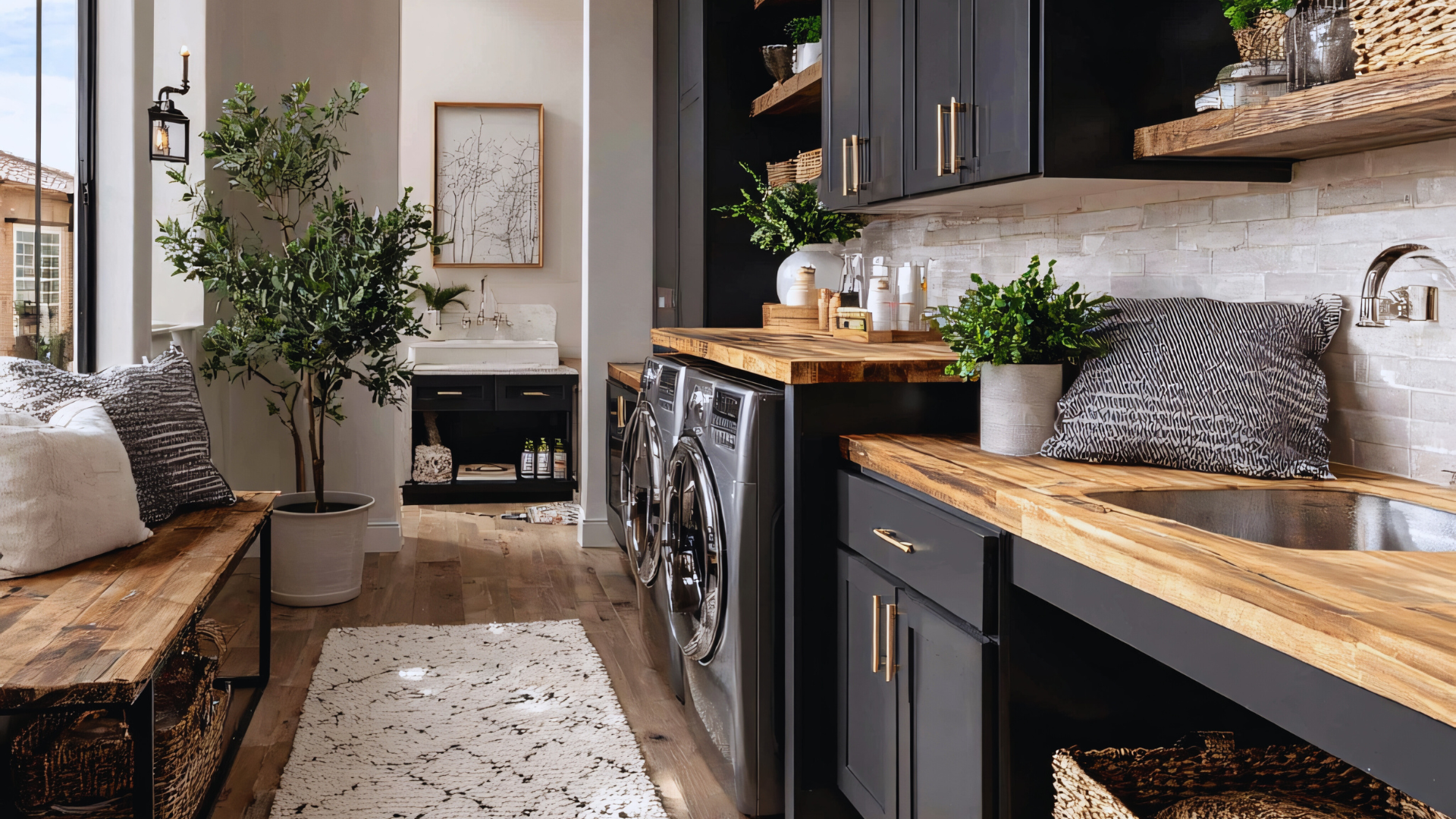
Reclaimed wood is a durable, eco-friendly choice for structural elements and decorative features. Using it reduces demand for new lumber and preserves forests. Recycled plastic can be repurposed into countertops or composite materials, decreasing landfill waste.
These materials often carry unique aesthetics, adding character to interiors. Proper sourcing ensures materials are free from contaminants, maintaining safety and quality. Choosing reclaimed and recycled options supports circular economy principles and limits new resource extraction.
Selecting Sustainable Flooring Options
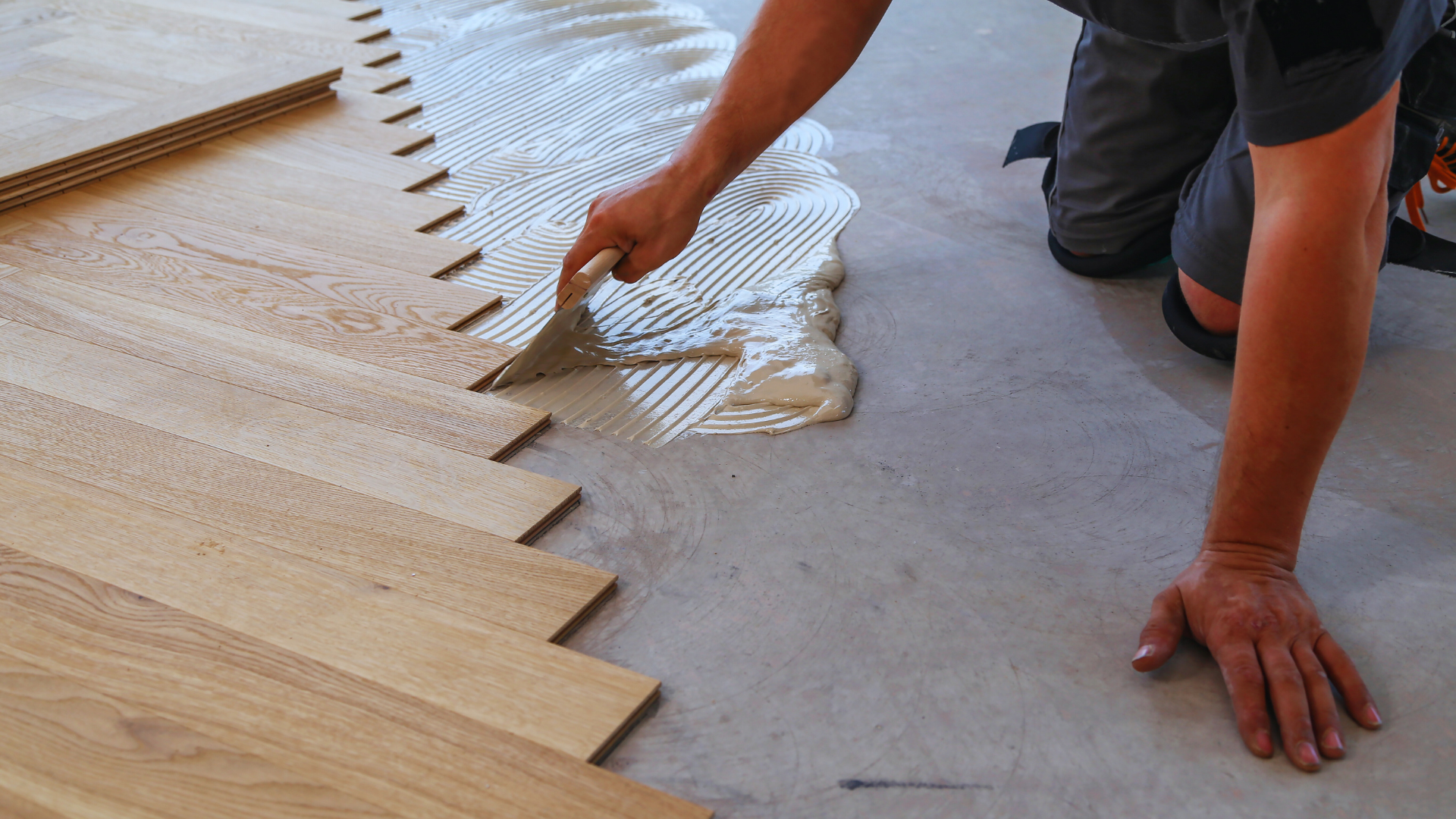
Sustainable flooring materials combine durability with low environmental impact. Bamboo is a fast-growing grass used as an alternative to hardwood. It regenerates quickly and offers high strength, making bamboo flooring a popular choice.
Cork flooring, harvested from the bark of cork oak trees, is renewable because the tree isn’t cut down. Both cork and bamboo resist moisture and provide natural insulation properties. Sustainable flooring also includes options made from recycled materials, reducing landfill burden.
Incorporating Non-Toxic Paints and Finishes
Low-VOC and non-toxic paints release fewer volatile organic compounds during and after application. VOCs contribute to indoor air pollution and health issues. Using these paints improves indoor air quality while maintaining aesthetic appeal.
Non-toxic finishes for wood and surfaces minimize chemical exposure and environmental harm. These finishes ensure a safer environment, particularly for homes with children or sensitive individuals. Selecting paints labeled as low-VOC or zero-VOC helps meet sustainability goals.
Opting for Sustainable Fabrics and Organic Materials
Sustainable fabrics like organic cotton are grown without synthetic pesticides or fertilizers, reducing soil and water contamination. Organic materials avoid harmful chemicals, promoting healthier indoor environments.
These fabrics often have a lower environmental footprint and are biodegradable. They work well for upholstery, curtains, and bedding, supporting eco-friendly interior design. Choosing sustainable fabrics balances comfort, durability, and environmental responsibility.
Optimizing Energy Efficiency and Indoor Wellbeing
Focusing on energy efficiency and indoor well-being involves maximizing natural light, improving insulation, using energy-efficient devices, and enhancing air quality through plants. These steps reduce energy consumption while creating a healthier and more comfortable living environment.
Harnessing Natural Light and Skylights
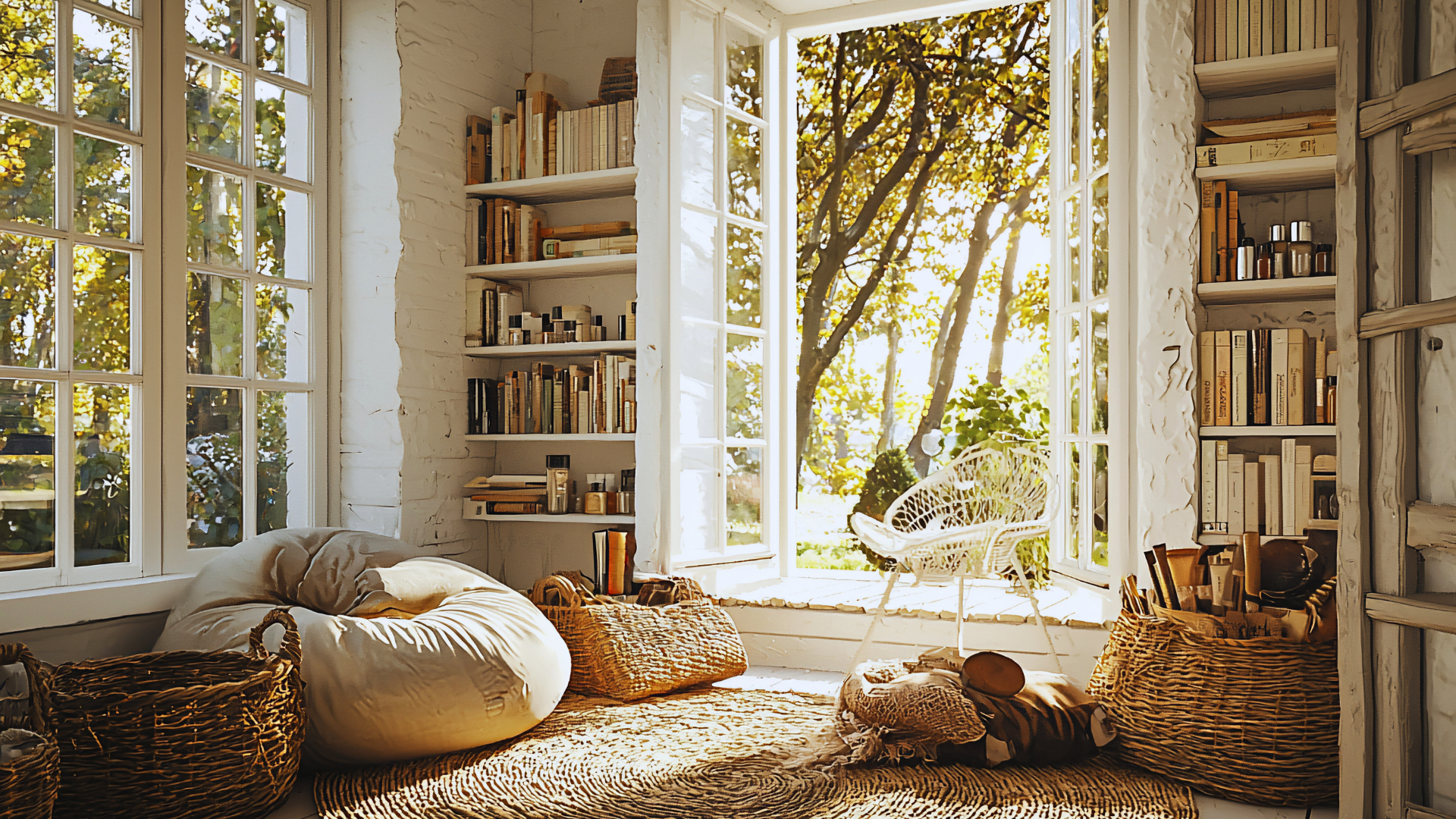
Natural light reduces the need for artificial lighting, lowering electricity use. Properly placed windows and skylights bring sunlight into darker areas, improving mood and reducing energy costs. Skylights can provide up to 30% more daylight and help ventilate indoor spaces when operable.
To maximize benefits, choose energy-efficient glazing that minimizes heat loss in winter and heat gain in summer. Integrating automated lighting systems that adjust based on daylight availability further optimizes energy savings. Orientation toward the south or east enhances natural lighting throughout the day.
Improving Insulation and Air Sealing
Effective insulation controls heat flow, reducing heating and cooling demands. Installing high-quality insulation in walls, attics, and floors minimizes energy waste. Sealing gaps around windows, doors, and ducts prevents drafts and maintains consistent indoor temperatures.
Using materials with a high R-value improves thermal resistance. Air sealing combined with insulation enhances comfort and lowers utility bills. Incorporating smart thermostats allows precise temperature control, increasing efficiency without sacrificing comfort.
Implementing Energy-Efficient Appliances and Lighting
Replacing outdated appliances with energy-efficient models reduces electricity use and environmental impact. Look for ENERGY STAR certified refrigerators, washers, and HVAC systems to ensure better performance with less energy.
For lighting, LED bulbs use at least 75% less energy than incandescent bulbs and last longer. Smart home technology can automate lighting, turning lights off when rooms are unoccupied and adjusting brightness based on natural light levels. This integration supports continuous energy savings.
Enhancing Indoor Air Quality With Plants
Indoor plants improve air quality by absorbing pollutants and releasing oxygen. Varieties like peace lilies and snake plants are especially effective in removing toxins such as formaldehyde. Placing plants strategically enhances wellbeing and creates a natural, calming atmosphere.
Using plants alongside efficient ventilation systems helps maintain fresh air circulation. Regular maintenance, including watering and cleaning, ensures plants stay healthy, and air quality remains high, supporting a healthier indoor environment.
Conserving Water and Reducing Waste
Effective water management and waste reduction are essential for a sustainable home. Small changes in fixtures combined with thoughtful reuse of materials and landscaping choices can significantly lower environmental impact while maintaining comfort and style.
Incorporating Water-Saving Fixtures
Installing water-saving fixtures is one of the most practical steps in conserving water. Low-flow showerheads can reduce water use by up to 50%, maintaining pressure without excess consumption. Faucets equipped with aerators cut water flow by mixing air, which lowers water volume without compromising function.
Choosing toilets with dual-flush or low-flush options further decreases household water use. These fixtures comply with green building standards and can be part of new installations or retrofits in existing homes. Prioritizing certified water-saving products ensures efficiency and performance over time.
Practicing Repurposing and Upcycling in Design
Repurposing materials and upcycling antiques or vintage furniture minimizes waste and reduces demand for new products. Rather than discarding old wooden furniture, refinishing and adapting pieces extends their life and preserves unique craftsmanship.
Incorporating salvaged materials like reclaimed wood or metal into design elements lowers environmental impacts linked to manufacturing. Designers often combine aesthetic charm with sustainability by blending repurposed items into modern decor. This practice supports waste reduction and gives homes a distinct character.
Landscape Sustainability With Native Plants
Using native plants in landscaping supports sustainable gardening by reducing water and maintenance needs. Native species are adapted to local climate conditions and require less irrigation than exotic varieties.
Implementing sustainable landscaping practices, such as xeriscaping with drought-resistant natives, conserves water resources. It also enhances biodiversity by providing habitat for local wildlife. Selecting plants with low fertilizer and pesticide demands contributes to healthier soil and reduces chemical runoff.



Leave A Comment