
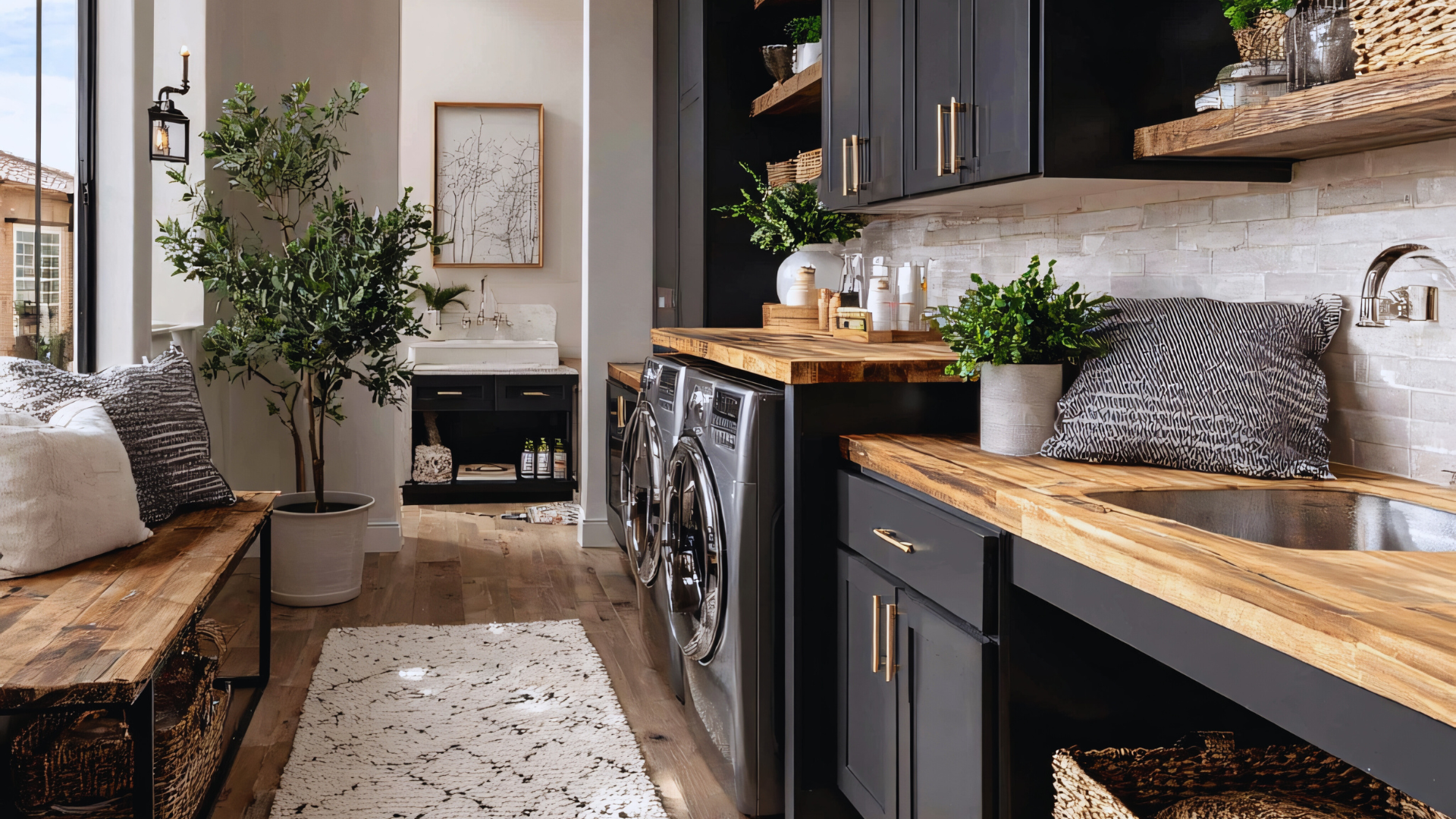
Small rooms often challenge the balance between comfort and style. To make the most of limited space, it’s essential to choose multifunctional furniture and prioritize a cohesive color scheme. Blending comfort and style in small rooms depends on smart layout choices and selecting pieces that serve both practical and aesthetic purposes.
Light colors, mirrors, and strategic lighting help create a sense of openness without sacrificing warmth. Compact furniture with clean lines can enhance the room’s flow, while soft textures add comfort without overcrowding. Thoughtful design lets a small space feel inviting and stylish at the same time.
Foundational Principles for Blending Comfort and Style
Blending comfort and style in small rooms requires clear priorities. It means creating spaces that feel open and inviting while maintaining functionality. The focus lies on simplicity, smart layout choices, and a harmonious color scheme.
Embracing Minimalism in Small Spaces
Minimalism is vital in compact living. It reduces visual clutter and allows essential pieces to stand out. Choosing furniture with clean lines and multiple functions supports both comfort and style.
Neutral tones like gentle grays and earthy hues contribute to a calm atmosphere. These colors reflect natural light, enhancing the light and airy feeling needed in small rooms. Minimalism also involves keeping décor simple and purposeful, avoiding overcrowding.
A minimalist approach encourages quality over quantity. Items should serve a clear role, whether decorative or practical. This strategy maximizes space without sacrificing personal style.
Prioritizing Functional Layouts
Effective layouts define the flow of a small room. Open layouts often work best, allowing movement and maximizing available square footage. Positioning furniture to create pathways enhances both comfort and usability.
Furniture should be scaled appropriately to avoid overwhelming the space. Using pieces that can be easily reconfigured or collapsed supports flexibility. In small rooms, prioritizing key zones—like seating and storage—makes the space both stylish and efficient.
Incorporating vertical storage solutions helps free floor space. This adds function without crowding the room. Thoughtful lighting placement also contributes to a comfortable and welcoming environment.
Choosing a Cohesive Color Palette
A cohesive color palette unifies style and comfort. Neutral tones such as soft beige, gentle gray, and muted earthy colors are ideal in small spaces. They create a light and airy environment that feels larger and more open.
Using a limited color range avoids visual fragmentation. Accents in complementary colors can add personality without causing chaos. Matte and natural finishes blend well with minimalistic interiors, enhancing warmth and texture.
Consistency in colors on walls, furnishings, and textiles helps maintain a calm, inviting atmosphere. This thoughtful approach supports both relaxation and aesthetic appeal in compact living environments.
Smart Furniture and Storage Solutions
Small rooms require carefully chosen furniture and storage to maximize space without sacrificing style. Combining multifunctional pieces with smart storage options can keep the room organized and visually spacious.
Multifunctional and Compact Furniture Choices
Choosing furniture that serves more than one purpose is essential in small spaces. A sofa bed provides both seating and sleeping space, ideal for guest accommodations without extra furniture.
Compact tables with built-in drawers or nesting designs save footprint while adding storage. Foldable desks or wall-mounted drop-leaf tables free up floor space when not in use.
Furniture with slim profiles and raised legs creates a sense of openness while ensuring the room doesn’t feel cramped. Look for pieces with integrated storage boxes or compartments to reduce clutter.
Incorporating Built-In and Hidden Storage
Built-in storage like wardrobes and cabinets maximizes wall space and reduces the need for standalone furniture. They provide a streamlined look and can be tailored to the room’s dimensions.
Hidden storage within furniture—such as beds with underframe drawers or ottomans with lift-up tops—keeps belongings out of sight but easily accessible.
Custom niches in walls or recessed shelves serve as discreet storage that doubles as display areas without intruding on floor space.
Utilizing Vertical Storage and Open Shelving
Using vertical storage makes use of often-overlooked wall space. Tall cabinets or shelving units stretch upward, adding storage without expanding the room’s footprint.
Floating shelves and open shelving units allow for lightweight, stylish storage that showcases decor or everyday items while keeping surfaces clear.
Open shelving reduces visual bulk compared to closed cabinets, but should be organized to prevent clutter. Group items in matching containers or baskets for a neat appearance.
Maximizing Under-Bed and Drawer Space
Under-bed storage is one of the most effective ways to store seldom-used items. Drawers built into the bed frame or rolling storage boxes slide out easily, making full use of this hidden area.
Drawers in furniture pieces like side tables or dressers can be compartmentalized to improve organization. Using drawer dividers helps keep small items tidy.
Utilizing these low-visibility spaces helps keep the main areas clutter-free and maintains an uncluttered, spacious feel in the small room.
Optimizing Light, Color, and Atmosphere
Balanced lighting and color choices significantly impact how small rooms feel and function. Strategic placement of mirrors and curtains, along with layered lighting and carefully selected decor, creates a comfortable, stylish environment that maximizes space and enhances atmosphere.
Maximizing Natural Light with Mirrors and Curtains
Mirrors reflect natural light, effectively doubling its presence in small rooms. Placing a large mirror opposite or near a window helps bounce sunlight deeper into the space.
Tall curtains, hung close to the ceiling and extending to the floor, draw the eye upward, adding vertical height. Choose lightweight, sheer fabrics in neutral shades to allow light to filter through while maintaining privacy.
Avoid heavy, dark drapes that block light. Instead, opt for curtains with adjustable features, such as tiebacks or layered sheer panels, to control light intensity throughout the day.
Layering Lighting for Comfort and Ambience
A combination of lighting types improves both function and mood. Use accent lighting like wall sconces to add a subtle glow without occupying floor space.
Task lamps supply focused light for activities like reading or work. Table lamps provide flexible lighting options and can be moved to brighten specific corners.
Layer these lights with overhead fixtures to avoid harsh shadows. Dimmers help adjust brightness, allowing residents to customize the atmosphere per time of day or activity.
Selecting Decor and Accessories for Visual Balance
Choose decor in light, muted tones to avoid visual clutter in small rooms. Incorporate a few accent colors to create focal points without overwhelming the space.
Use mirrors as decorative elements alongside practical function. Reflective surfaces align with smooth textures in accessories to maintain an open, airy feel.
Place accessories strategically—group smaller pieces instead of scattering them. This containment keeps visual interest balanced and prevents the room from feeling crowded.
Design Techniques for Warmth and Personality
Small rooms benefit from clear divisions, natural textures, and soft materials that create comfort without crowding the space. Strategic placement of rugs, plants, and textiles enhances both style and livability.
Creating Zones with Area Rugs and Screens
Area rugs help define different zones in a small room. Placing a soft rug under a seating area anchors the space, making a beige sofa and reading corner feel structured and inviting. Larger rugs can visually expand the floor area.
Screens are effective for creating privacy or dividing a room without permanent construction. Folding screens in neutral tones or natural materials add texture and function while keeping the space open.
Combining area rugs with screens creates flexible zones. For instance, a rug beneath a lounge space and a screen near a work area maintain a balanced flow, providing warmth and personality without clutter.
Adding Greenery and Organic Elements
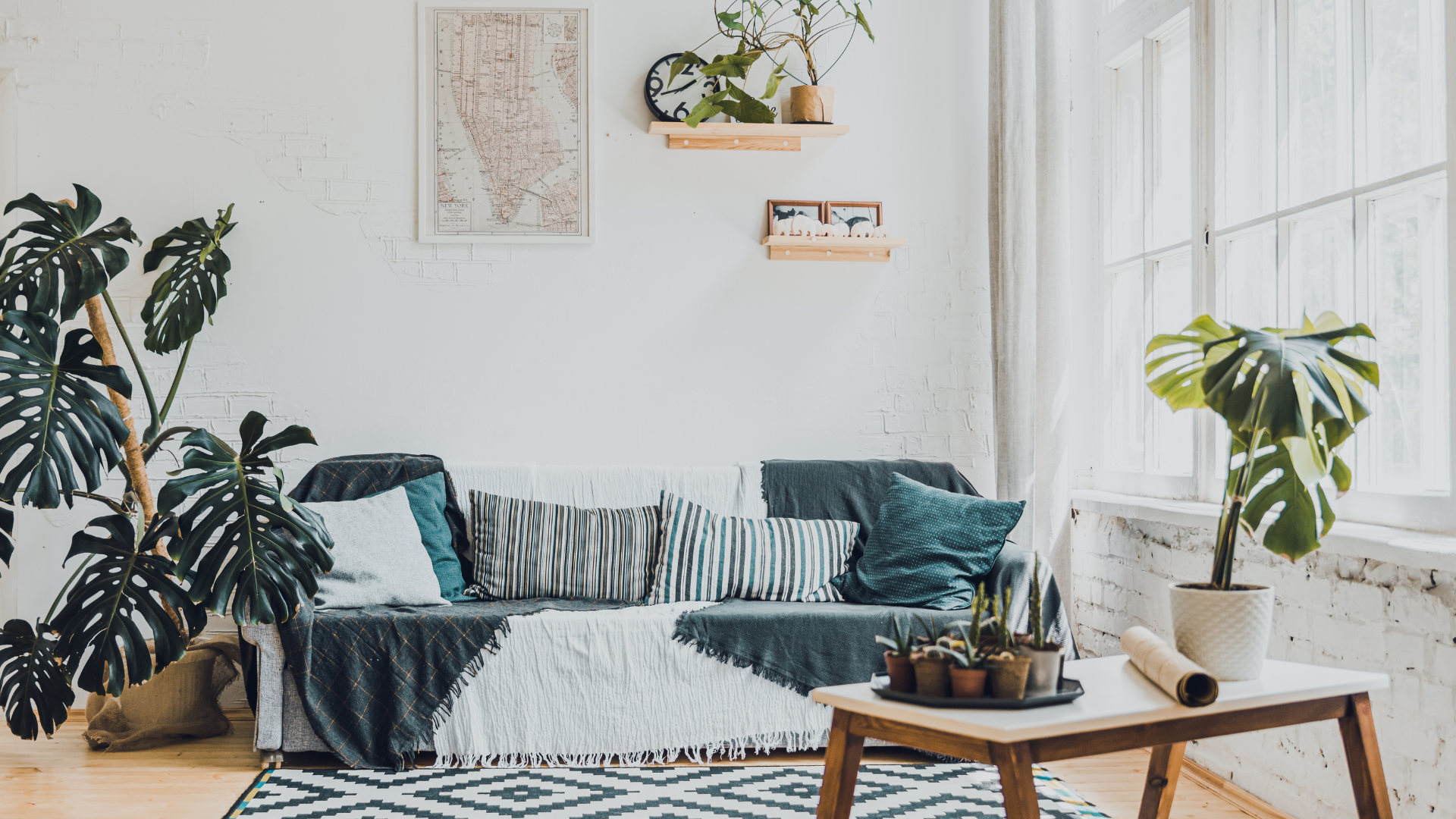
Incorporating plants adds life and softness to small rooms. A touch of greenery with potted plants or small trees placed near windows or on shelves enhances air quality and visual interest.
Woven baskets serve as stylish containers that keep plants organized. They also introduce an organic texture that complements natural tones like beige sofas and wooden furniture.
Placing plants strategically—for example, a tall plant next to a reading corner or multiple small plants arranged on a side table—breaks up hard lines and brings a calm, fresh atmosphere.
Cozy Accents and Soft Finishes
Soft finishes are essential for comfort and visual appeal. Adding throw pillows and blankets in natural fabrics on a sofa invites relaxation. Choosing materials like cotton, linen, or wool avoids overwhelming the room while enhancing texture.
Accessories like a plush soft rug underfoot and thick curtains create warmth. Layering textiles with different but coordinated textures adds depth without excess bulk.
Small touches, such as a cushioned window seat or a knitted pouf, increase coziness. These accents should be functional yet understated to avoid making the room feel cramped.


Leave A Comment