
Seasonal changes naturally influence how people approach home décor by encouraging updates that reflect the shifting environment. Adjustments in color palettes, textures, and accessories align interiors with the mood and atmosphere of each season, creating a sense of harmony between inside and outside.
Seasonal changes inspire better home décor by providing clear cues to refresh spaces with relevant colors, materials, and styles that enhance comfort and visual appeal throughout the year. This process helps prevent stagnation in design and keeps living areas feeling dynamic and inviting.
By responding to the specific qualities of each season, from the warmth of summer to the coziness of winter, home décor becomes more intentional and personalized. This approach makes it easier to create balanced spaces that support well-being and aesthetic pleasure.
How Seasonal Changes Drive Inspired Home Décor
Seasonal shifts influence choices in color, texture, and accessories for home décor. This natural cycle encourages updates that keep interiors fresh and aligned with changing moods and climates. Adjusting home design with the seasons enhances comfort and aesthetic appeal.
Understanding the Impact of Seasons on Decorating
Each season brings unique characteristics that shape decorating decisions. For example, spring often inspires lighter fabrics and pastel colors to reflect renewal and brightness. In contrast, autumn encourages warm hues like burnt orange and deep reds, coupled with cozy materials such as wool and velvet.
Lighting also varies seasonally. Longer daylight in summer may reduce the need for artificial lighting, while winter requires more ambient sources for warmth. Seasonal decor aligns with these changes, creating an atmosphere suited to the environment.
Natural elements become central to seasonal decorating. Spring and summer feature fresh flowers and greenery, while fall and winter incorporate branches, pine cones, and textured blankets. This connection to nature grounds home design in its time of year.
Benefits of Adapting Home Design Throughout the Year
Adapting décor seasonally prevents stagnation and promotes visual interest. Small changes like switching throw pillows, curtains, or table settings transform spaces without complete overhauls. This flexibility supports budget-friendly updates aligned with personal style.
Functional benefits include improved comfort. Lightweight textiles in summer help with heat regulation, while layered cushions and rugs in winter add warmth. Seasonal décor thus serves both aesthetic and practical purposes.
Changing home design according to seasons can also influence mood positively. Bright, airy colors lift spirits in spring, while rich tones foster a sense of comfort during colder months. This intentional approach to decorating enhances overall well-being.
Essential Seasonal Décor Principles
Adapting home décor with seasonal changes involves paying attention to both color schemes and natural elements. These factors work together to create a cohesive and inviting atmosphere that aligns with the time of year.
Color Palettes and Seasonal Colors
Choosing the right color palette is crucial for successful seasonal décor. In spring and summer, lighter shades like soft pastels, fresh greens, and cool blues evoke a sense of renewal and brightness.
For fall and winter, warmer colors such as burnt orange, deep reds, mustard yellow, and rich browns provide a cozy and comforting feel. These tones complement the natural changes outside and enhance indoor warmth.
Using accent pieces like cushions, rugs, or artwork in these colors allows easy updates without overhauling the entire room. This method balances vibrancy and subtlety, maintaining harmony throughout the space.
Using Natural Elements for Authenticity
Incorporating natural elements brings authenticity and texture to seasonal décor. Branches, pinecones, dried flowers, or seasonal fruits serve as organic accents that reflect the season’s unique character.
Materials like wood, wool, or linen add tactile warmth during colder months. In contrast, lighter textures such as cotton and glass suit warmer seasons, keeping the environment breezy and fresh.
Arranging these items thoughtfully in bowls, vases, or trays amplifies their visual impact without cluttering the space. These touches connect the indoors to the outdoors, grounding the décor in nature’s rhythm.
Creating Seasonal Vibes: Ideas and Strategies for Every Season
Adapting home décor with the seasons involves choosing materials, colors, and accents that reflect the time of year. Effective seasonal décor combines functional elements and stylistic details to enhance mood and comfort.
Spring Refresh: Light Fabrics and Floral Touches
Spring décor calls for renewing spaces with airy, light fabrics like linen and cotton. These materials improve comfort while creating a clean, fresh foundation.
Floral patterns in cushions, curtains, or artwork introduce natural motifs. Adding real or faux greenery enhances the connection with spring’s growth and renewal.
Soft pastel colors such as mint green, lavender, and pale pink complement spring’s brightness without overwhelming a room. Incorporating these shades in throws or vases brightens interiors subtly.
Summertime Brights: Vibrant Hues and Outdoor Spaces
Summertime décor favors bold, vibrant colors, including coral, turquoise, and sunny yellow. These shades energize indoor spaces and pair well with natural light.
Focus on the usability of outdoor areas by adding weather-resistant cushions and rugs. Light furniture and parasols make patios and balconies inviting for seasonal living.
Materials like wicker, rattan, and lightweight wood bring texture suited to summer warmth. Incorporate tropical prints and beach-themed accessories to reinforce seasonal mood.
Fall Transformation: Warm Tones and Cozy Textures
Fall décor embraces warm colors—burnt orange, deep reds, mustard yellow, and browns—to create a comforting atmosphere. These colors work well in lampshades, throw blankets, and accent walls.
Cozy textiles such as wool, faux fur, and heavier linens support the cooler temperatures. Layering blankets and pillows on sofas invites relaxation.
Seasonal décor often includes pumpkin motifs, rustic wooden accents, and Halloween decorations for festive touches. Candles and soft lighting add warmth and depth during shorter days.
Winter Ambiance: Elegant and Inviting Layers
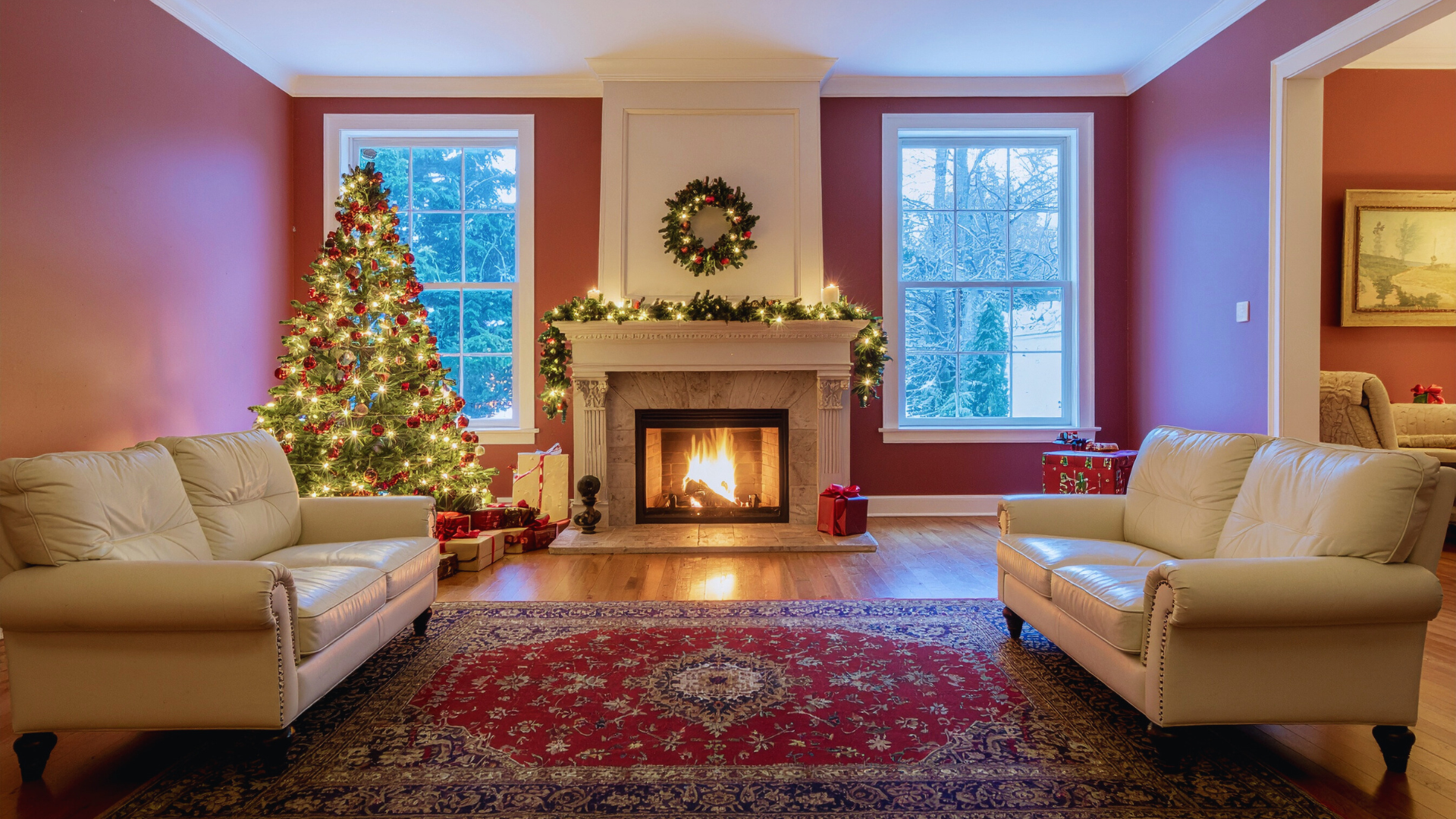
Winter décor emphasizes layering with elegant fabrics like velvet and knit. Rich jewel tones such as emerald, sapphire, and ruby introduce sophistication.
Holiday décor fits naturally into winter style, including metallic elements, string lights, and evergreen wreaths that enhance cozy, celebratory feelings.
Adding multiple textured layers—plush rugs, thick curtains, and cushioned seating—ensures both aesthetic appeal and insulation. Prioritize comfort through tactile diversity and ambient lighting.
Practical Tips for Seamless Year-Round Transitions
Efficient planning, smart storage, and expert insights are essential for adapting home décor to changing seasons. These elements help maintain style without constant overhaul, balancing function with aesthetic throughout the year.
Monthly Timeline and Planning Essentials
Creating a monthly timeline simplifies seasonal decorating changes. She can begin by identifying key seasonal shifts, such as transitioning from light textiles in spring to warmer fabrics in autumn. Planning allows for gradual updates rather than abrupt changes.
A practical timeline might include these steps:
- January–March: Focus on decluttering and introducing subtle seasonal colors.
- April–June: Add floral patterns and lighter materials.
- July–September: Incorporate coastal or bright summer themes.
- October–December: Emphasize cozy elements like throws and warm hues.
By mapping changes month-to-month, she can avoid last-minute decorating stress, ensuring each season’s style blends smoothly into the next.
Storage Solutions and Budgeting for Decor
Efficient storage prevents seasonal décor from becoming cluttered. Using clear, labeled containers for items like cushions, ornaments, or table settings improves access and protects them from damage.
Investing in multi-functional storage, such as ottomans with compartments, saves space. Budgeting should prioritize versatile pieces that adapt to multiple seasons—for example, neutral-colored base furniture paired with seasonal accents.
Tracking purchases aids in preventing overspending. She can utilize a simple budget spreadsheet divided into categories: textiles, accessories, lighting, and furniture. This structure promotes efficient spending focused on high-impact décor rather than frequent replacements.
Expert Advice from Interior Designers
Designers often recommend a capsule approach to seasonal home décor. This method involves selecting a few foundational pieces that work year-round and rotating smaller, season-specific accessories to refresh the space.
They emphasize the importance of texture and lighting adjustments over major furniture changes. For instance, swapping curtains or rugs according to the season transforms the atmosphere without a complete redesign.
Professionals also advise leveraging natural elements like plants or branches, which provide subtle seasonal cues and are cost-effective. Consulting with designers helps tailor these strategies to individual homes and lifestyles, maximizing both aesthetics and practicality.


Leave A Comment