
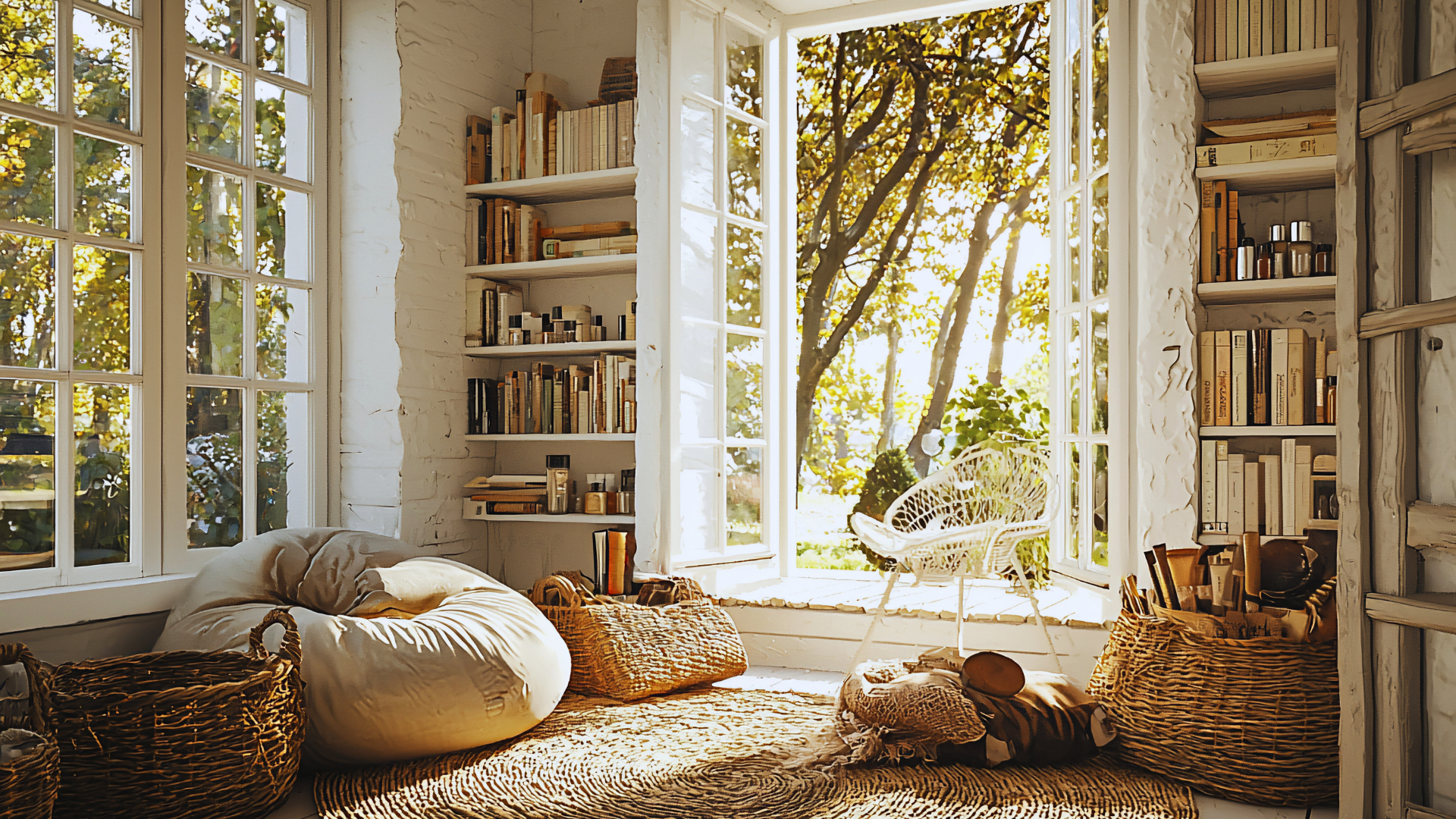
Creating a calming space with natural elements involves incorporating materials and features from the outdoors that promote relaxation. Using plants, natural light, and organic textures helps reduce stress and enhance well-being. These elements connect the indoors with nature, fostering a peaceful environment.
Simple additions like wooden furniture, stone accents, or water features can transform any room into a serene retreat. Proper placement of these natural components encourages mindfulness and comfort without overwhelming the space. This approach focuses on balance and subtlety to support a calming atmosphere.
Core Principles of Creating a Calming Space with Natural Elements
Creating a space that fosters tranquility involves thoughtful choices around atmosphere, design, and natural influences. These elements work together to promote relaxation and support mental well-being in daily life.
Defining a Calming Atmosphere
A calming atmosphere is characterized by simplicity, balance, and sensory ease. It avoids clutter and incorporates soft, natural colors like earth tones and muted greens. These hues help create a peaceful retreat that feels open and inviting.
Lighting plays a crucial role. Natural light or warm artificial light enhances calmness by reducing eye strain and stimulating a sense of comfort. Textures, such as smooth wood or soft fabric, add to the serene atmosphere without overwhelming the senses.
Functional furniture should be selected for both comfort and minimalism. The arrangement must allow free movement and avoid overcrowding, helping maintain a clean, focused environment conducive to relaxation.
Benefits of Integrating Nature
Incorporating natural elements into a living space improves mental well-being by reducing stress and enhancing mood. Exposure to plants, natural materials, and daylight supports cognitive function and creates a restorative environment.
Natural components like indoor plants improve air quality and add visual breaks, which calm the mind. Water features or natural sounds further encourage a peaceful atmosphere by masking noise pollution and fostering sensory relaxation.
Including nature connects occupants to the outdoors, fulfilling innate human needs according to biophilic design. This connection promotes a tranquil setting ideal for meditation, rest, or focused work.
Biophilic Design Basics
Biophilic design integrates natural elements and patterns into built environments to enhance well-being. It emphasizes direct nature access, such as views of greenery, and indirect connections like nature-inspired shapes, textures, and materials.
Key components include:
- Natural light: Maximizes daylight through windows or skylights.
- Natural materials: Uses wood, stone, and natural fibers for furniture and décor.
- Plants and greenery: Incorporates varied plants to add life and improve air quality.
- Water elements: Add fountains or aquariums when possible for soothing sounds.
- Organic patterns: Apply shapes and colors reflecting natural forms to create harmony.
This approach fosters a serene atmosphere that benefits mental health while creating functional, comfortable, and inviting calming spaces.
Incorporating Natural Materials and Textures
Creating a calming space involves integrating materials that bring subtle tactile and visual interest. The choice of natural woods, stones, and fibers sets a grounded foundation, while layering textures and woven organic accents adds depth and warmth.
Selecting Wood, Stone, and Bamboo
Wood, especially reclaimed wood or natural wood with visible grain, introduces warmth and authenticity. Wooden accents or furniture in neutral tones like oak or walnut complement muted earth tones and add a timeless quality. Bamboo is a sustainable alternative that offers a light, fresh texture, often used in flooring or blinds.
Stone elements such as slate, marble, or river stones provide a cool contrast to wood’s warmth. Incorporating stone in countertops, tabletops, or decorative pieces anchors the space with an organic hardness that balances softness. Combining wood, stone, and bamboo enhances visual harmony through varied natural textures.
Using Natural Fibers and Fabrics
Natural fibers like cotton, linen, and wool play a critical role in comfort and aesthetics. Cotton and linen fabrics in neutral colors create breezy, breathable soft furnishings ideal for pillows, curtains, and upholstery. Wool adds insulating warmth and a textured feel, especially in cooler climates or seasons.
Choosing unprocessed or lightly processed fabrics retains natural textures, which promote a tactile connection and a subdued look. Using natural materials avoids synthetic sheen, helping maintain a muted and calming atmosphere suitable for relaxation and focus.
Layering Rugs, Throws, and Soft Textures
Layering area rugs in jute, wool, or cotton blends enhances both comfort and design. Rugs in earth tones or soft neutrals anchor the room and introduce varying textures underfoot. Throws made from wool or linen offer additional softness and warmth in seating areas or beds.
The combination of soft fabrics with rugged natural fibers creates balance—protecting against cold floors and adding inviting comfort. Strategically placed pillows in natural fabrics soften hard surfaces without overwhelming the overall neutral palette.
Woven Accents and Organic Decor
Woven baskets and rattan accessories contribute functional storage with an organic look. Using baskets for organization adds texture without clutter, while rattan accents like chairs or lamp shades evoke lightness and craftsmanship.
Natural decor, such as stone sculptures, driftwood pieces, or bamboo planters, reinforces the theme of earthy materials. Choosing items in muted, neutral colors preserves a cohesive space, focusing on simplicity and subtle detail rather than bold patterns or colors.
Harnessing Greenery and Earth-Inspired Elements
Incorporating plants and natural materials creates a grounded and serene environment. The right selection and placement of greenery can improve air quality and foster relaxation. Understanding plant care and arrangement enhances a calming space’s appeal.
Adding Indoor Plants and Greenery
Indoor plants boost air quality by filtering toxins and increasing oxygen. Popular options like snake plants, peace lilies, and pothos are low-maintenance and effective air purifiers. Adding greenery brings texture and color, which reduces stress and improves mood.
Natural materials such as wooden planters or stone pots further connect the space to earth elements. Using local or sustainably sourced containers promotes environmental responsibility alongside aesthetics. Combining different pot textures balances visual appeal and natural feel.
Choosing Plant Varieties for a Calming Effect
Selecting the right plants involves assessing light availability and maintenance needs. Ferns thrive in indirect light and provide lush, feathery foliage. Succulents are ideal for bright spots and require minimal watering, making them suitable for busy lifestyles.
Eucalyptus adds a subtle fragrance known to reduce anxiety. Peace lilies improve humidity and emit a calming presence with their white blooms. Choosing plants that suit the environment ensures longevity and consistent calming benefits.
Arranging Potted and Hanging Plants
Strategic placement maximizes visual and emotional impact. Grouping plants in clusters creates focal points and mimics natural growth patterns. Hanging plants like pothos save floor space and soften edges, adding vertical interest.
Balancing size and shape prevents clutter; tall snake plants anchor corners while smaller succulents fill shelves. Using varied heights and pot styles introduces dimension without overwhelming the space. Proper arrangement supports a peaceful and organized atmosphere.
Optimizing Light, Color, and Sensory Details
Creating a calming space involves controlling light, selecting serene colors, and integrating sensory elements that promote relaxation and focus. These choices work together to shape the atmosphere and support a sense of peace and balance.
Maximizing Natural Light and Window Treatments
Natural light is essential for a calming space, as it enhances mood and connects occupants with the outdoors. Large windows, glass doors, and skylights bring in abundant daylight, making the room feel more open and inviting.
To control brightness without blocking light, sheer curtains and linen curtains are ideal. Sheer curtains diffuse sunlight gently, reducing glare while maintaining brightness. Linen curtains add texture and warmth without overpowering the natural light.
Soft lighting from floor lamps complements daylight by adding warmth during evenings. It is important to avoid harsh overhead lights in favor of diffused, indirect illumination that supports comfort and calm.
Curating a Calming Color Palette
Blues, greens, and pastels form the core of a calming color palette because they align with nature and reduce stress. Shades like soft sage, sky blue, or muted lavender create a soothing visual environment.
Walls, furnishings, and accessories should incorporate these tones consistently to maintain harmony. Using a mix of matte and natural textures enhances depth without disrupting the tranquil feeling.
Avoid overly bright or saturated colors, as they can increase tension. Instead, a balanced combination of cool and neutral hues encourages grounding and relaxation.
Soothing Aromas and Water Features
Aromatherapy through essential oil diffusers, scented candles, or incense gently influences mood and promotes calmness. Oils like lavender, eucalyptus, or cedarwood are particularly effective in reducing anxiety and aiding sleep.
Incorporating a water feature, such as a tabletop fountain, adds a natural sound element that fosters serenity. The gentle flow or trickle masks distracting noises and complements the sensory experience.
Adding crystals like amethyst can offer grounding energy, supporting mental clarity and emotional balance. These elements combine to create a multi-sensory environment conducive to relaxation.





Leave A Comment